

Addition or New Build? How Cape Cod Homeowners Decide
Some Cape Cod families outgrow their house and wonder whether to add on or start over. The answer depends less on taste than on four practical things: the lot, the septic system, the structure of the existing house and the budget. Here is how we walk owners through it.
Start with the lot
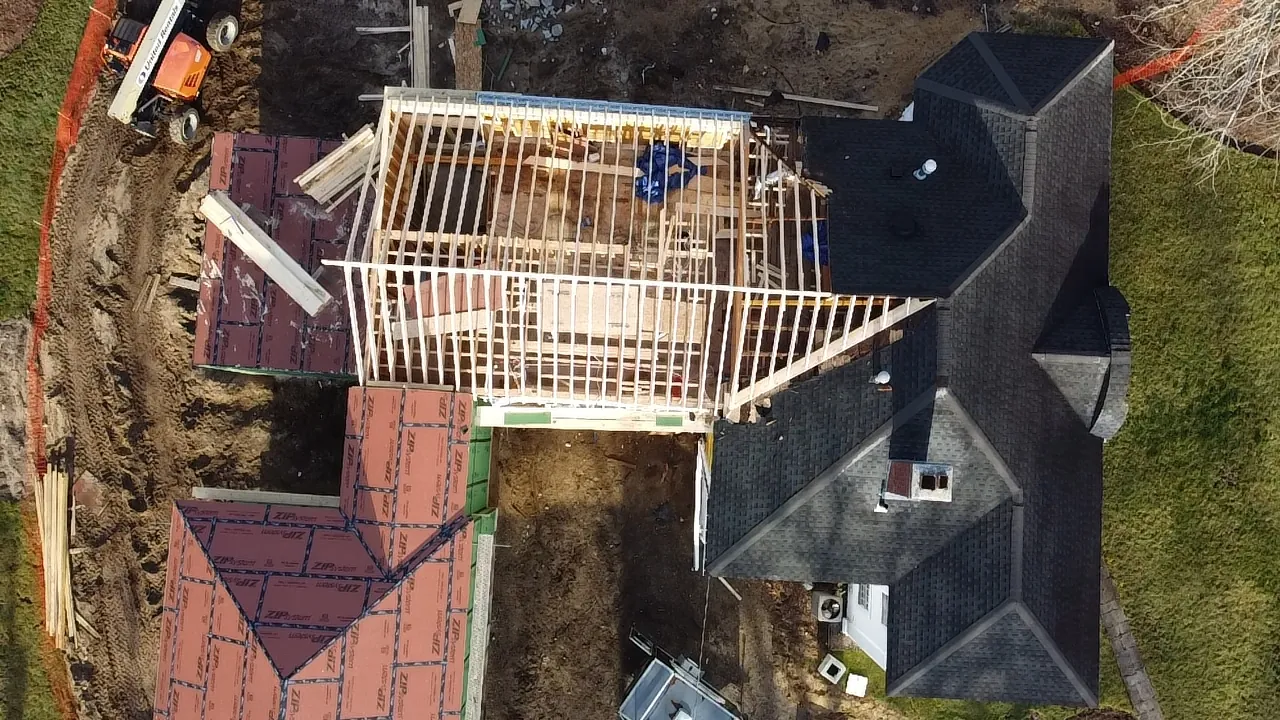
Zoning sets how much of the lot you can cover and how close you can build to the property lines. An addition that spreads out can run into those limits quickly. A second story keeps the footprint the same, which is why it often makes sense on small Cape lots. See our additions page for both approaches.
Check the septic capacity
If the addition adds bedrooms, the septic system has to support them. On older systems, adding a bedroom can mean a septic upgrade, which belongs in the budget from day one.
Look at the existing structure
A second story needs a foundation and walls that can carry it. An engineer reviews the existing framing, and some houses need reinforcement first. A 1950s ranch on a solid foundation is often a good candidate; a house with settling or rot may not be.
Compare real numbers
When the lot allows both, we price the addition and the new build side by side, with the same allowances. A new build usually costs more per square foot of new space but replaces every system at once. An addition costs less in total but keeps the old roof, windows and mechanicals unless you replace them too.
Our rule of thumb
If you love the location and the house is sound, add on. If the house needs new systems, a new roof and a new foundation anyway, price a custom home before you decide.